Decorative Wood
Product Type
Subcategory
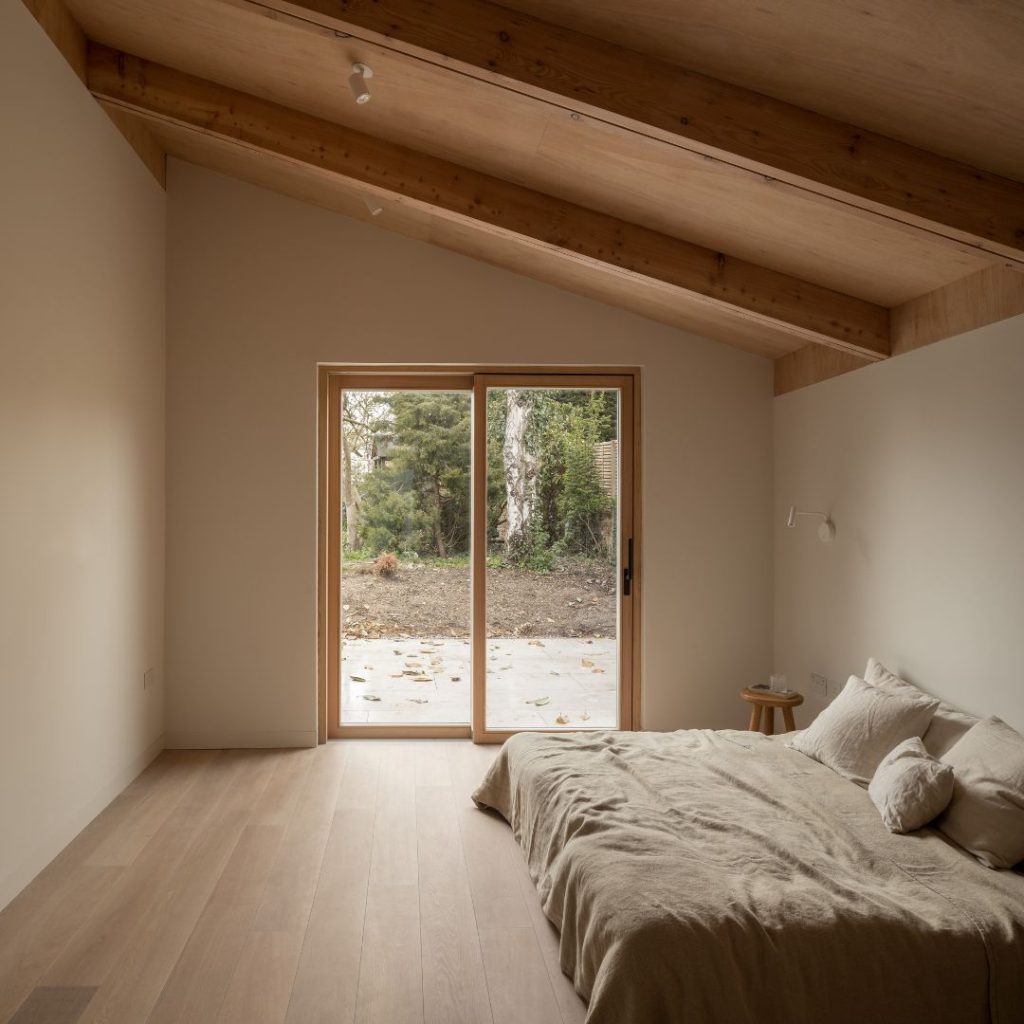
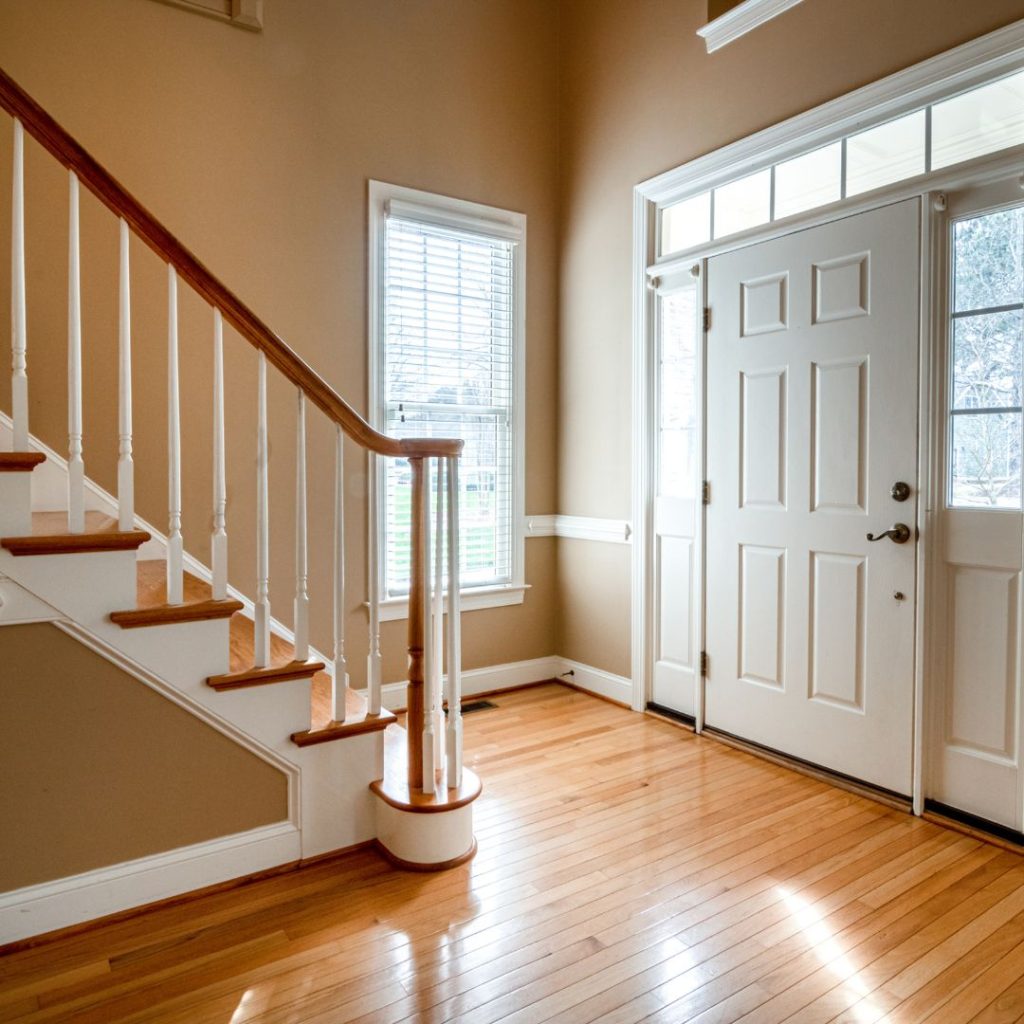
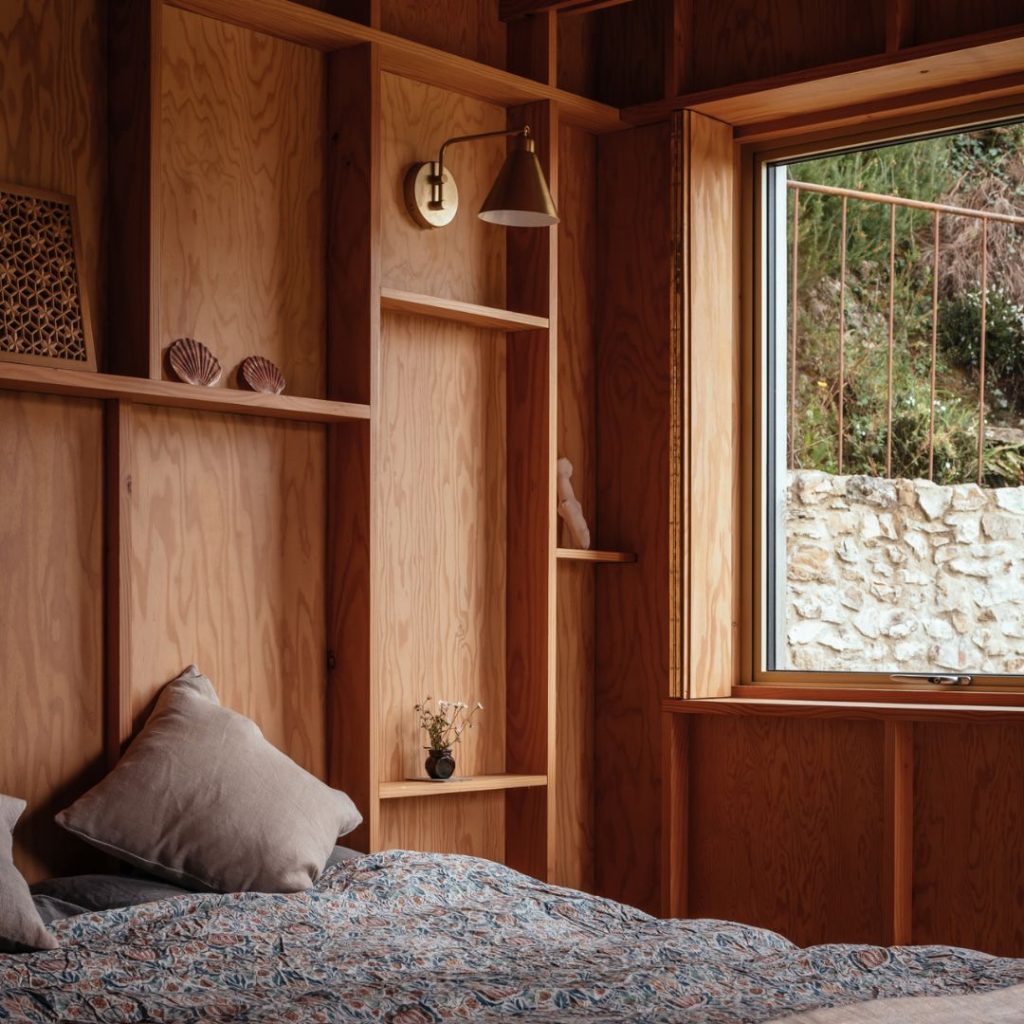
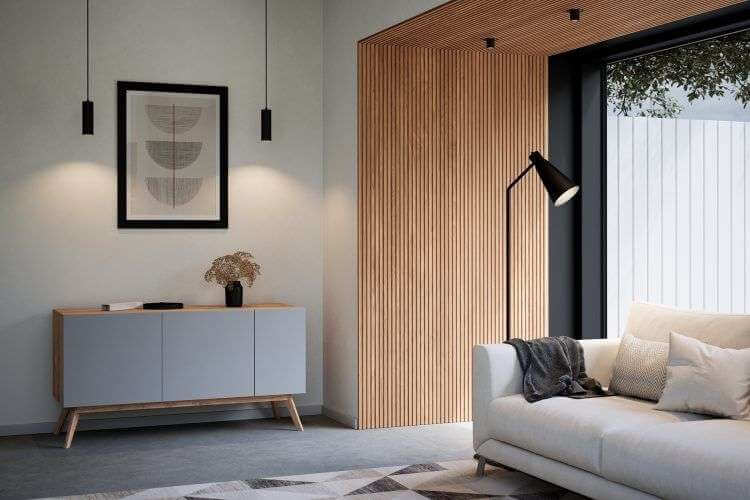
Timber’s natural beauty and aesthetic appeal has made it a popular material to be used decoratively in buildings. These decorative wood materials have a vast range of uses in non-structural construction and joinery projects, from cladding and windowboards to door, windows, internal fit outs and mouldings (see Mouldings). There are almost as many possible applications for decorative wood products as there are types of building projects, with both hardwoods and softwoods commonly being used.
Although strength performance is the primary function of structural wood products they can also bring beauty to any project potentially saving time, cost and carbon by combining the structural elements and decorative finish into one single product.
Timber used for joinery projects is a significant part of the timber construction sector, worth around £3.8 billion to the UK economy every year.
Traditionally decorative timbers are graded for visual appearance using the highest quality material to provide Joiners with timber containing as few natural features (e.g, knots) or defects as possible, both to minimise waste and help reduce the time spent on each project. While this is still probably the norm we are increasingly seeing the use of engineered wood technologies such as lamination and finger jointing to produce higher quality, materially efficient more stable decorative wood products.
We should also remember that beauty is in the eye of the beholder which means that one designers natural defect may turn out to be another’s outstanding character feature.
Some of the most common timbers used as decorative wood products include:
- Sawn Softwood Joinery Timber
- PSE/PAR Timber
- Temperate Hardwoods
- Tropical Hardwoods
- UK Hardwood Joinery Timber
- Engineered and modified wood
Customers looking to produce PAR and machined sections for decorative purposes, will use a range of sawn joinery timbers including high-quality European Redwood and European Whitewood. These raw materials are appearance graded into different classes by limiting the level of natural defects such as knots which are permitted. This appearance grading process has very traditional roots and has progressed through many iterations over time, including the green book rules with its Unsorted, V ths and VI ths, the blue book rules with classes A, B, C and D, to become the European norm BS EN 1611 that we know today with grades G0, G1,G2 ,G3 and G4. See Appearance grading below.
Other examples of ‘clear’ softwood species (with minimal natural defects) and their uses include American Pitch, Oregon and Southern Yellow Pine for staircase production, window and fascia boards. Canadian Douglas Fir and Hemlock for interior and exterior joinery, and Western Red Cedar for external doors and cladding. European and UK Larch and Douglas fir for external cladding
Joinery sections will most often be a sawn, full to size finish in terms of width and thickness rather than surfaced to enable joiners to convert them easily into other products.
- Redwood joinery section sizes range from 19x100mm to 100x225mm
- Whitewood joinery section sizes range from 19x100mm to 50x275mm
- American Pitch, Oregon and Southern Yellow Pine common section sizes range from 25x150mm to 50x300mm.
- Canadian Douglas Fir clears section sizes 25×150 to 100x 150
Planed Square Edge (PSE) and Planed All Around (PAR) timber are simple, planed sections that require less finishing than sawn timbers. They are ready to go as decorative elements within an interior or as components in joinery products and interior fitments.
- Softwood timbers: The majority of PSE and PAR timbers are softwood, and usually Redwood (Pine), though Whitewood (Spruce) sections are also available from most merchants. Other softwood species may also be used for planed sections but are rarely held as stock usually being machined to specification. . Redwood sections range from 13-100mm in depth and 38mm-225mm in width, while Whitewood sections range from 22-38mm in depth and 50-275mm in width, nominal size.
- Hardwood timbers: Hardwood PSE and PAR timbers are available from stock in the most popular species such as European Oak, American White Ash, American White Oak, Red Grandis, Meranti, and Sapele. Suppliers quote prices based on length, and dimensions vary between species from, for example, 10x46mm to 45x145mm in Red Grandis; 10x46mm to 94x94mm in Meranti; and 12×32 to 45x145mm in American White Oak.
PSE and PAR timbers are among the most versatile wood products sold by merchants with many possible uses including interiors, joinery and furniture, for example. Wider sections can be used for shelving with the right support, while smaller sections are for light-duty framing. Wide Whitewood sections are commonly used for stairs.
Temperate hardwoods come from forests in the UK and Europe and across North and South America, Asia, Australia and New Zealand. Popular temperature hardwood species include:
- English , European and American Oak
- Beech
- Birch
- Cheery
- Maple
- Poplar and Tulipwood
- Walnut
- Red Grandis
All of the above have a great visual appearance, but see the TDUK wood species database for more information and details of other temperate species.
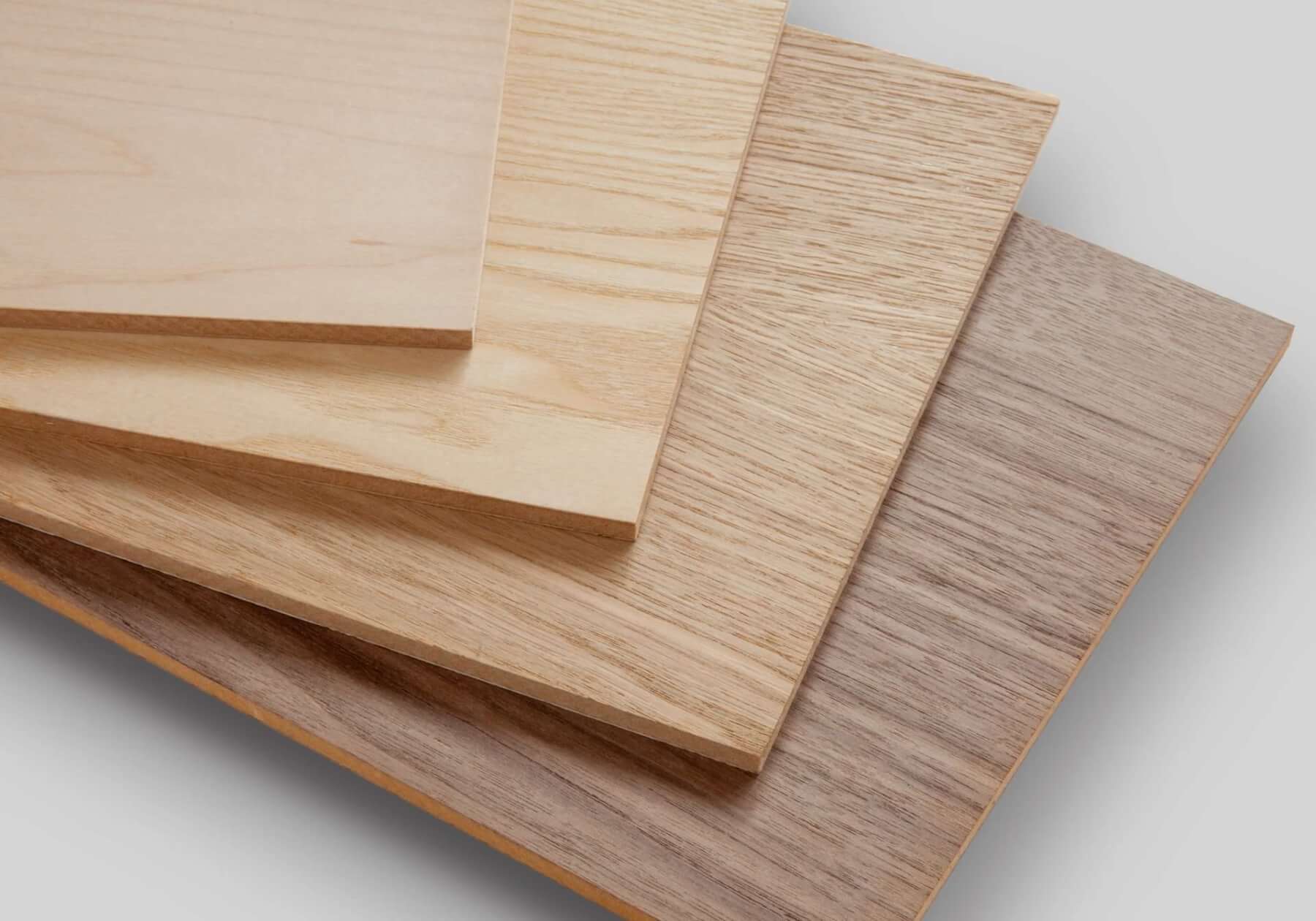
Some temperate hardwood species, e.g, Oak, have many appearance variations such as Pippy or Cat’s Paw Oak; Tiger Oak; Brown Oak, White Oak, Red Oak, Character Grade, etc. Each of these is slightly different, so check with your TDUK supplier for further information.
Laminated hardwood sections also offer an alternative product that is more stable and has fewer defects, producing less waste while saving time and money.
Temperate hardwoods are commonly used for furniture, cabinetry and joinery, flooring and wood panelling projects, thanks to their durability and attractive wood grain.
Tropical hardwoods come from forests in countries surrounding the Equator, such as Central and West Africa, Southeast Asia and South America. Common Tropical Hardwood species include:
Tropical hardwoods are often dense, making them durable and resistant to decay and rot so very suitable for exterior constructions and fitments such as decking and cladding. Those species that are easy to work will typically be used for furniture and cabinet making projects, interior joinery, staircases, mouldings, shopfittings and doors and door frames, for example.
They can also commonly be used decoratively for cutlery, tool handles, musical instruments and sculptures.
UK forests produce hardwoods that are popular for non-structural and structural timber projects thanks to their appearance, strength, durability and natural resistance to rot and decay. Popular UK hardwood species used for joinery include:
- Oak: popular for its attractive appearance and natural rot/decay resistance
- Ash: a light-coloured hardwood with a straight grain pattern
- Beech: a hard, heavy wood great for interiors but little natural durability
- Sweet Chestnut: A straight or spiral-grained wood commonly used for cladding and joinery
- Sycamore: generally straight grained but may be curvy or wavy grained, and the texture is fine.
Hardwood joinery timber produced in the UK are commonly used for flooring, cabinetry and furniture, as well as for flooring, mouldings and for musical instruments such as pianos, guitars and violins.
There are an increasing range of engineered and modified wood products being brought to the UK market. Engineered wood products use physical processes such as finger jointing and lamination to improve stability and visual appearance while increasing utilisation from the log. Modified wood manufacturers use predominantly chemical processes such as heat treatment or acetylation to produce wood products that have enhanced physical properties such as increased durability, density or moisture resistance. All of the products in these categories will be sold under company brands each with its own unique set of performance criteria. Examples would be Accoya®, Kebony® and ThermoWood®.
Softwoods for decorative and joinery applications are graded for appearance only, using the national standard BS EN 1611-1:2000 Sawn timber: Appearance grading of Softwoods. This standard covers European Spruces, Firs, Pines and Douglas Fir. Appearance grading takes place at sawmills during production.
Swedish Wood has published detailed guidance on timber’s allowable natural features under BS EN 1611-1:2000, find it here.
The size, type and position of features such as knots may be important if the wood will be visible in their project, or if it comes at a critical point like the edge of a shelf.
Hardwoods for non-structural use are appearance graded, but there are a number of different systems, with some sawmillers having their own appearance grading system. Terms you may hear include:
- FAS: Firsts and seconds – used to grade American hardwoods; shows good material for joinery and furniture/moulding.
- FAS Imperial: a grading system used largely for West African timbers, with set limits on various characteristics
- Prime & Select: used in grading Malaysian timbers such as Meranti.
- Character, Prime/Super Prime, Pippy, Burr, quarter sawn: these mostly refer to the appearance grading of Oak from different countries. Some American hardwoods also use terminology such as Prime/Super Prime.
Building regulations define specific reaction to fire classifications when building materials are used as interior linings in specific circumstances. Most wood products are classified as Euroclass D without the need for further testing. This will be suitable for use in many interior decorative application but where improved performance is required this can be upgraded to Class C or B with an appropriate factory-applied, quality-assured flame retardant treatment. It is important that machining of wood products is fully completed before such treatments are applied.
TDUK, in partnership with the Wood Protection Association, has produced a set of information leaflets to help with all the above. Visit the learning resources section on www.timberdevelopment.uk and search for Fire.
Sustainability certification is part of many joiners’ marketing to their customers, with the three main certification schemes being:
- FSC® – Forest Stewardship Council
- PEFC™ – Programme for the Endorsement of Forest Certification
- FLEGT products – Forest Law Enforcement, Governance and Trade (only currently available on Indonesian plywood products)